

Mastering Pastel Art Techniques: Essential Pastel Drawing Tips
Pastel art is a vibrant and expressive medium that offers artists a unique way to create stunning works with rich colors and soft textures. Whether you are a beginner or looking to refine your skills, mastering pastel art techniques can elevate your artwork to new heights. This guide will walk you through essential pastel drawing tips, practical advice, and creative methods to help you unlock the full potential of pastels.
Understanding the Basics of Pastel Drawing Tips
Before diving into complex techniques, it’s important to understand the fundamentals of working with pastels. Pastels come in several forms, including soft pastels, hard pastels, and pastel pencils. Each type offers different textures and effects:
Soft pastels are powdery and blend easily, perfect for creating smooth gradients and vibrant colors.
Hard pastels are firmer and better for detailed work and fine lines.
Pastel pencils provide precision and control, ideal for intricate details.
When starting a pastel drawing, choose the right paper. Textured or pastel-specific paper helps the pigment adhere better. A medium to heavy-weight paper with a bit of tooth is ideal.
Pastel drawing tips for beginners include:
Use light strokes to build up color gradually.
Blend colors with your fingers, blending stumps, or soft cloths.
Fix your work with a spray fixative to prevent smudging.

Close-up view of pastel sticks arranged by color on textured paper
Techniques to Enhance Your Pastel Artwork
Once you are comfortable with the basics, explore these techniques to add depth and interest to your pastel drawings:
Layering and Blending
Layering colors is key to achieving rich, vibrant effects. Start with light colors and gradually add darker shades. Use blending tools or your fingers to soften edges and create smooth transitions.
Scumbling
Scumbling involves applying a broken layer of pastel over another color, allowing the underlayer to show through. This technique adds texture and visual complexity.
Sgraffito
Sgraffito is a technique where you scratch through a layer of pastel to reveal the color underneath. Use a pointed tool or the edge of a pastel stick to create fine lines or textures.
Feathering
Feathering uses short, light strokes to create soft edges and subtle color shifts. This is especially useful for depicting fur, hair, or delicate foliage.
Fixatives and Preservation
Use fixatives sparingly to avoid dulling colors. Spray fixative in thin layers from a distance to protect your artwork without compromising vibrancy.
Choosing the Right Tools and Materials
Selecting quality materials can make a significant difference in your pastel art experience. Here are some recommendations:
Pastels: Invest in artist-grade soft pastels for better pigmentation and blendability.
Paper: Try pastel paper brands like Canson Mi-Teintes or UArt, which offer excellent texture and durability.
Blending tools: Use tortillons, blending stumps, or soft brushes for controlled blending.
Erasers: A kneaded eraser is perfect for lifting pastel gently without damaging the paper.
Experiment with different brands and tools to find what suits your style best.
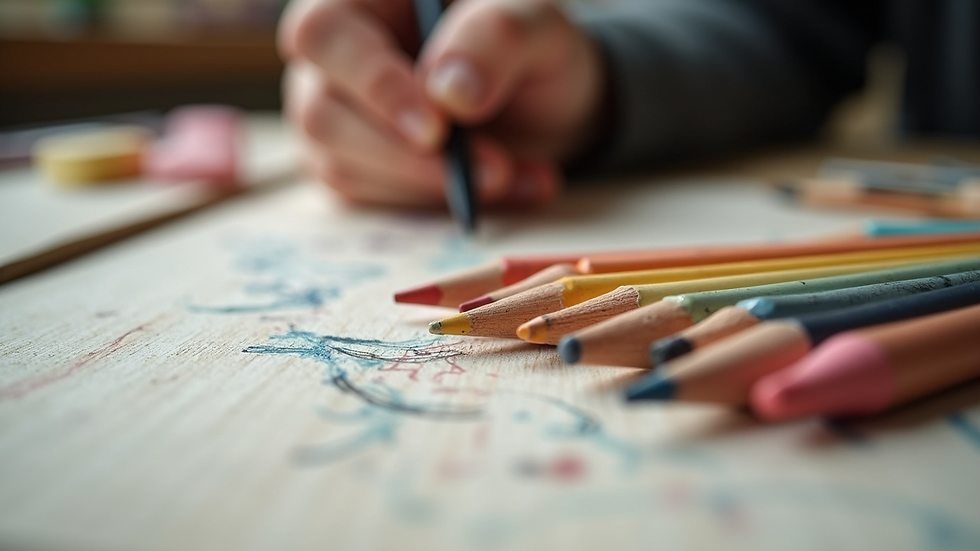
Eye-level view of pastel drawing tools including pencils, erasers, and blending stumps on a wooden table
Common Mistakes to Avoid in Pastel Drawing
Even experienced artists can fall into common pitfalls when working with pastels. Here are some mistakes to watch out for:
Over-blending: Excessive blending can muddy colors and reduce vibrancy. Blend just enough to soften edges.
Using too much pastel: Applying thick layers can cause dusting and make the artwork fragile.
Ignoring paper texture: Smooth paper won’t hold pastel well; always use paper with enough tooth.
Not fixing the artwork: Without fixative, pastel drawings are prone to smudging and damage.
Skipping color planning: Plan your color palette to avoid clashing hues and achieve harmony.
By being mindful of these issues, you can improve your pastel art outcomes significantly.
Inspiring Ideas to Practice Pastel Art Techniques
To build confidence and skill, try these creative exercises:
Color blending chart: Create a chart mixing different pastel colors to understand how they interact.
Texture study: Use scumbling and sgraffito to replicate textures like tree bark, fabric, or stone.
Still life: Set up simple objects and practice layering and shading to capture light and shadow.
Portrait sketch: Use pastel pencils for detailed facial features and soft pastels for skin tones.
Landscape scene: Experiment with feathering to depict grass, leaves, and sky gradients.
Regular practice with these exercises will help you master various pastel art techniques and develop your unique style.
Taking Your Pastel Art to the Next Level
Mastering pastel art techniques is a rewarding journey that combines patience, experimentation, and creativity. Remember to:
Keep your workspace clean to avoid unwanted smudges.
Use a fixative to preserve your work.
Explore different surfaces and pastel types.
Study works by pastel masters for inspiration.
Join art communities to share your progress and get feedback.
With dedication and practice, your pastel drawings will become more vibrant, textured, and expressive. Embrace the softness and brilliance of pastels and let your creativity shine!


Comments